
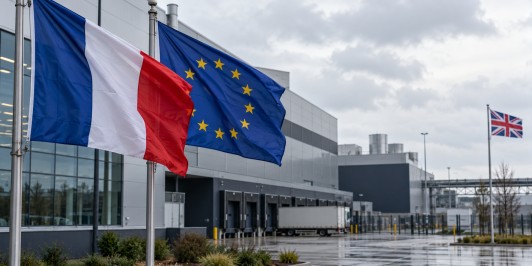
France is advocating for the European Union’s proposed “Made in Europe” rules to focus mainly on companies within the EU, potentially restricting British firms’ access to public contracts and incentives in strategic industries. This push comes as part of the Industrial Accelerator Act, which aims to bolster demand for European-made, low-carbon products through public procurement and government support. The initiative targets sectors including steel, cement, aluminium, electric vehicles, and other net-zero technologies.
France’s position is to define eligibility narrowly, limiting it to the EU’s 27 member states. Meanwhile, the UK, having exited the EU single market, is lobbying for recognition as a trusted partner to ensure that British companies can still compete for opportunities under the new framework.
While France maintains a strict stance, Germany and several Nordic countries are advocating for a broader approach that might include trusted non-EU partners. This difference in perspective highlights ongoing negotiations, with the final rules yet to be decided by the European Parliament and the EU Council.
The Industrial Accelerator Act remains a proposal, requiring further negotiation and approval before it can be implemented. The outcome of these discussions will significantly impact the involvement of non-EU countries in the EU’s strategic industries, particularly affecting the UK’s position in the European market post-Brexit.