
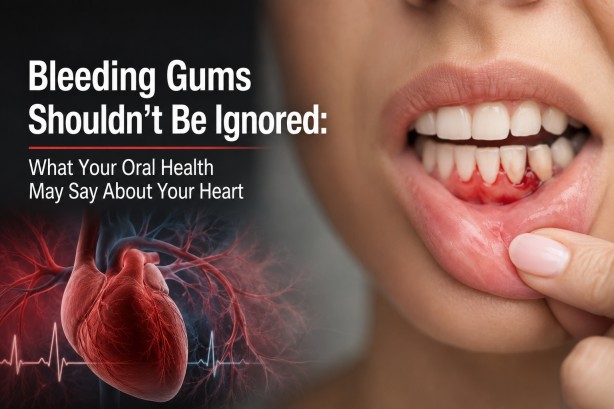
Bleeding gums might seem like a minor inconvenience, but consistent bleeding can signal underlying gum inflammation that requires attention. The link between oral health and overall well-being is becoming increasingly clear, with research delving into how gum disease may relate to cardiovascular health conditions.
Gum disease is primarily caused by bacteria and plaque that instigate inflammation in the tissues around the teeth. If left unchecked, this inflammation can extend beyond the oral cavity. Studies have identified connections between periodontal disease and various cardiovascular issues such as heart disease, heart failure, and irregular heart rhythms. However, it’s important to note that gum disease is not a direct cause of heart attacks or similar events, but rather, both conditions may share similar biological pathways, notably chronic inflammation and certain shared risk factors.
The impact of gum inflammation on the body extends beyond the mouth. When gums are inflamed or damaged, bacteria can enter the bloodstream, which has led to findings of oral bacteria within arterial plaque, sparking interest in their potential link. Chronic inflammation is another bridge between oral health and cardiovascular disease, as persistent inflammation can affect blood vessels and contribute to cardiovascular complications. Therefore, recurring gum problems should not be dismissed as merely a cosmetic concern.
Bleeding gums serve as a warning signal. Healthy gums typically do not bleed consistently during brushing or flossing. While occasional bleeding can happen, especially if one has just started flossing or uses aggressive brushing techniques, frequent bleeding might indicate plaque buildup or gum disease. Other symptoms to watch for include swollen or tender gums, persistent bad breath, gum recession, and loose teeth. Ignoring these signs could allow gum disease to advance, potentially leading to more serious dental issues.
To maintain healthier gums, three simple habits are recommended: brush regularly with a soft-bristled toothbrush and fluoride toothpaste, floss daily to remove plaque and food particles, and schedule regular dental checkups to catch gum inflammation and other oral health problems early. While good oral hygiene is crucial for preventing dental issues, it should be part of a broader approach to maintaining cardiovascular health, including managing blood pressure and cholesterol, staying physically active, eating a balanced diet, and avoiding smoking. If you experience frequent gum bleeding or persistent oral changes, it is advisable to consult a dental professional.