
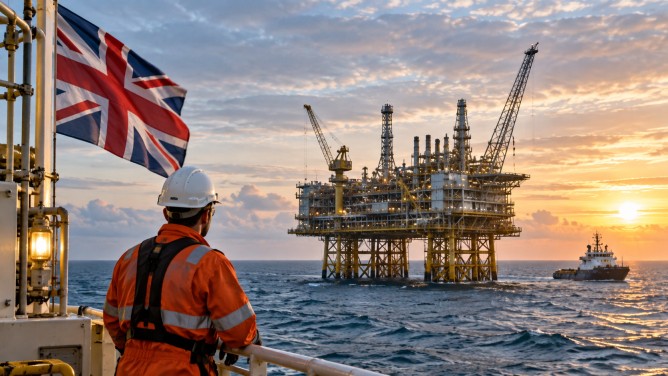
The North Sea oil and gas sector is making a strong case for an earlier termination of the UK’s windfall tax on fossil fuel companies, arguing that a shift from the current 2030 end date to 2027 could significantly boost investment. Offshore Energies UK (OEUK), the trade body representing the industry, estimates that such a change could draw up to £50 billion in investments, supporting industrial employment and potentially generating an additional £14.9 billion in tax revenue over the next decade.
The current Energy Profits Levy, implemented in 2022 following substantial profit margins in the sector due to soaring energy prices after Russia’s invasion of Ukraine, imposes a 35% levy on company revenues during periods of high prices. OEUK has proposed a revised system that would maintain elevated taxation only when oil and gas prices surpass a specific threshold, thus creating greater incentives for investment, according to OEUK chief executive David Whitehouse.
As part of their proposal, the industry group is also advocating for the approval of the Rosebank and Jackdaw oil and gas projects. They argue that increasing domestic production could reduce the UK’s dependency on imported natural gas, ultimately contributing to the nation’s energy security.
However, this proposal has encountered opposition from environmental organizations and campaign groups, which are urging the government to instead strengthen the windfall tax. Greenpeace contends that oil and gas companies should be contributing more to assist households grappling with high living costs and rising energy prices.
The debate over the windfall tax reflects broader tensions between economic and environmental priorities, as the UK navigates its energy future. While the industry seeks to bolster investment and job creation, critics emphasize the need for greater fiscal responsibility from fossil fuel companies amidst a global push for sustainable energy solutions.