
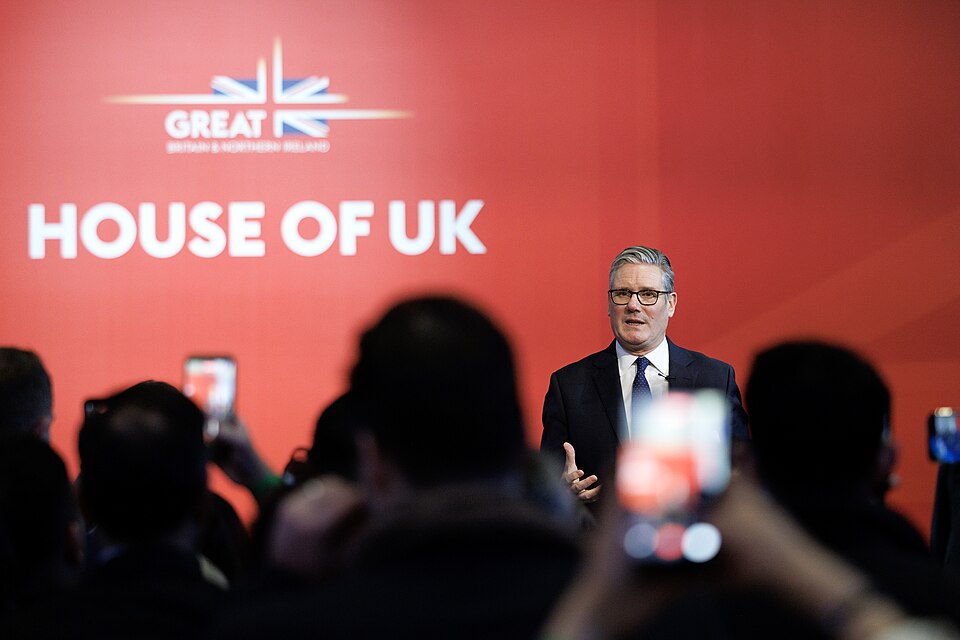
Amid growing pressure from Labour Party members, British Prime Minister Keir Starmer is reportedly preparing to announce his resignation. The shift in political dynamics comes after a series of setbacks that have diminished Starmer’s support within the party. Many Labour MPs are now rallying behind Andy Burnham, who is emerging as a favored candidate to potentially succeed Starmer.
Business Secretary Peter Kyle has recognized the increasing difficulties surrounding Starmer’s leadership. He mentioned that the prime minister is thoughtfully assessing the political landscape to determine the best course of action for the nation. Although Starmer has been firm about defending his position against any leadership challenges, recent developments have intensified discussions about his potential exit.
The speculation around Starmer’s future has been fueled by Burnham’s impressive electoral success and his growing endorsement from Labour MPs. Within the party, senior members are actively considering strategies for a leadership change while aiming to maintain unity and avoid internal conflict. The process of transitioning leadership, should it occur, is likely to focus on minimizing division and strengthening the party’s position.
Among potential candidates for the top position is former Health Secretary Wes Streeting, but Burnham appears to be the frontrunner at this stage. According to Labour’s rules, any candidate vying for leadership must gain support from at least 20 percent of Labour MPs. This requirement sets the stage for a competitive selection process if Starmer steps down.
Should Starmer confirm his resignation, the UK could witness another shift in its political leadership. The Labour Party would be tasked with revamping its strategy to garner voter support ahead of the impending general election, where it faces stiff competition from rival parties. A leadership transition could play a crucial role in defining Labour’s path forward in the evolving political landscape.