
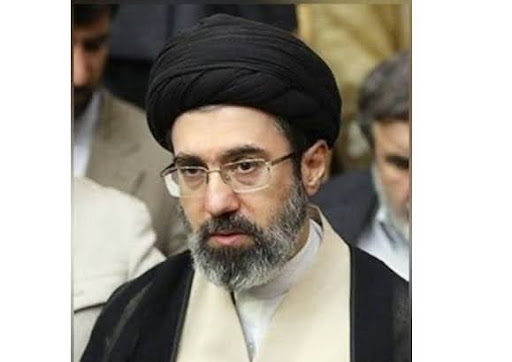
Mojtaba Khamenei has been named the supreme leader of the Islamic Republic of Iran, a position that comes with enormous formal powers and, at this particular moment in history, an almost unbearable set of challenges. The Assembly of Experts confirmed his appointment on Sunday following a decisive vote, calling on the country to unite behind him. He inherits a nation at war, an economy under severe stress, and a legitimacy question — whether dynastic succession can be reconciled with revolutionary ideals — that will not disappear.
The new supreme leader is 56 years old, born in Mashhad, educated in the seminaries of Qom, and for decades one of the most influential behind-the-scenes figures in Iranian politics. His relationships with the IRGC and conservative clerics gave him the institutional backing needed to secure the Assembly’s vote. His father, Ayatollah Ali Khamenei, was killed in a US-Israeli strike on February 28 after 37 years in power.
Institutional Iran moved quickly to present a unified front. The IRGC, armed forces, parliament, and security establishment all pledged their loyalty. State media carried the endorsements wall-to-wall. Senior security official Ali Larijani publicly vouched for Mojtaba’s leadership capacity. The Houthis of Yemen offered warm congratulations from outside the country. Iranian missiles bearing inscriptions to the new leader were shown on television.
The war front did not pause for the transition. Israel launched new strikes on Iranian infrastructure on Monday. Iran struck Saudi Arabia, Bahrain, Kuwait, Qatar, and the UAE. Two civilians were killed in Saudi Arabia. Bahrain’s desalination facilities sustained damage. Oil prices climbed. The IRGC threatened that crude could exceed $200 per barrel. The United States pledged not to strike Iranian energy facilities in an attempt to prevent a full-blown economic crisis.
The three challenges Mojtaba Khamenei faces are interconnected and mutually reinforcing. The war creates economic pressure; the economic crisis weakens public support; weakened public support makes governance harder; and harder governance creates strategic vulnerabilities in wartime. Breaking any one of these chains will require political and strategic skill of a high order. Whether the new supreme leader possesses that skill is the defining question of his early tenure.