
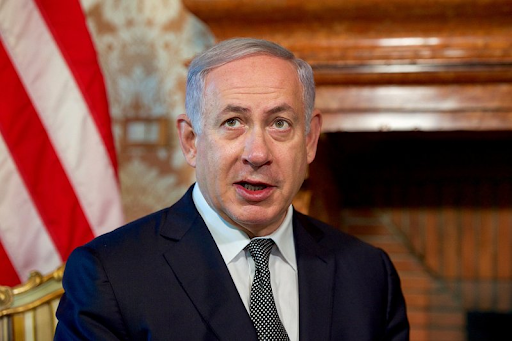
Israeli Prime Minister Benjamin Netanyahu has made a striking declaration, suggesting that the recent military conflict with Hezbollah has unexpectedly paved the way for potential peace agreements with two of its northern neighbors, Lebanon and Syria. This optimistic outlook comes amidst a complex and historically fraught regional dynamic, signaling a potential shift in Middle Eastern geopolitics. Netanyahu’s comments to his cabinet underscored a belief that Israel’s military actions have created a new reality and an unprecedented opportunity for diplomatic engagement.
The possibility of peace with Syria, a nation technically at war with Israel since 1948, has gained significant momentum following the ouster of its long-time ruler, Bashar al-Assad. The new political landscape in Damascus has allowed for the initiation of direct negotiations between the two countries. A Syrian official recently indicated that they are hopeful of finalizing comprehensive security and military agreements before the end of the year, a development that would have been unthinkable under the previous regime.
In Lebanon, the situation remains tense. Despite a ceasefire established in November, Israeli forces have continued to conduct strikes against Hezbollah targets. The Iran-backed militant group has been a source of long-standing hostility. However, concurrent with these military actions, there is a growing international and domestic push for Hezbollah’s disarmament, a key factor in any potential peace with Israel.
“Our victories in Lebanon against Hezbollah have opened a window for a possibility that was not even imagined before our recent operations and actions: the possibility of peace with our northern neighbours,” Netanyahu stated, framing the military engagement as a necessary precursor to diplomacy. He also confirmed ongoing discussions with Syrian representatives, noting, “We are conducting talks with the Syrians — there is some progress, but it is still a long way off.”
Since the fall of Assad’s government to an Islamist-led coalition in December, Israel has increased its military presence in the UN-patrolled buffer zone separating the two nations and has executed hundreds of strikes within Syria without retaliation. Syrian President Ahmed al-Sharaa has acknowledged negotiations aimed at securing an Israeli withdrawal from territories occupied in recent months, with Israel demanding the establishment of a demilitarized zone in southern Syria.