
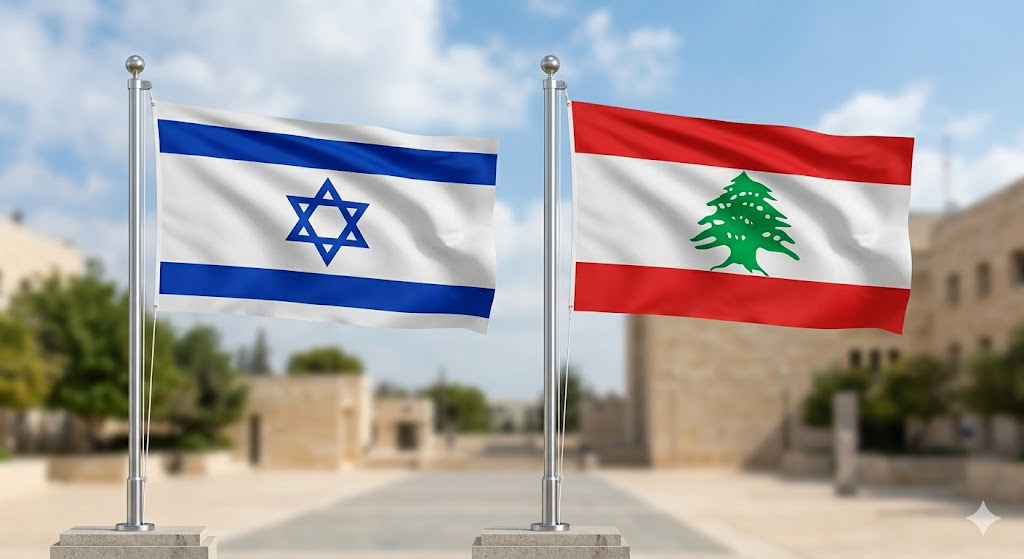
Israel and Lebanon have reached an agreement to renew their ceasefire, a development made possible through a joint effort with the United States. This renewed truce is contingent upon Hezbollah, the Iran-backed militant group not participating in the negotiations, halting all attacks. The agreement aims to pave the way for broader peace discussions between the two nations.
Part of this accord involves the establishment of pilot security zones where the Lebanese Armed Forces will maintain sole control, with the exclusion of armed non-state actors. This initiative is designed to bolster security and lay the groundwork for a more comprehensive peace settlement. High-level talks between Israeli and Lebanese representatives led to this agreement, during which both parties expressed their lack of hostile intent and committed to ongoing dialogue to resolve remaining issues.
The joint statement also highlighted the creation of a security framework to safeguard the sovereignty and territorial integrity of both countries. This framework seeks to prevent the re-emergence of unauthorized armed groups in sensitive regions. Despite these diplomatic advancements, tensions remain along the border, with reports of continued clashes.
The Israeli military has reported intercepting projectiles and a hostile aircraft launched from Lebanon, while Hezbollah has claimed responsibility for targeting Israeli forces, citing alleged ceasefire violations. Meanwhile, Lebanese officials have reported casualties resulting from Israeli strikes in the southern part of the country.
With the goal of achieving a more lasting peace agreement, Israel and Lebanon are set to continue their negotiations later this month. The ongoing dialogue underscores both nations’ commitment to resolving their longstanding disputes and ensuring regional stability.