
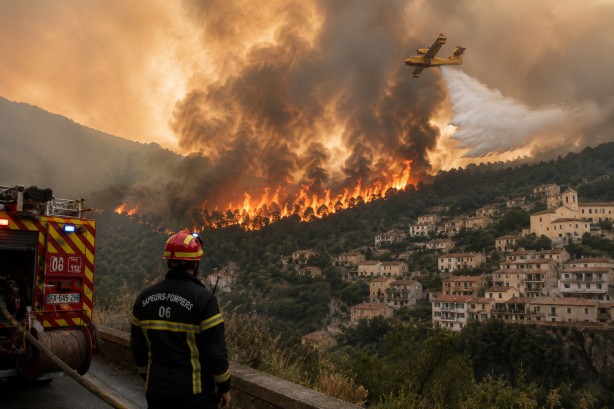
Europe is grappling with a surge in wildfires, with Greece, France, Spain, and the United Kingdom particularly affected. The fires have led to evacuations and heightened concerns about the security risks posed by a changing climate. In Greece, authorities are working tirelessly to contain severe fires on Crete, while in England, parts of the country have declared drought conditions due to extreme heat.
European leaders have issued warnings about the increasing threat of wildfires, which they attribute to climate change. These fires not only endanger public safety but also pose risks to food security and vital infrastructure. In response, the UK, France, and other nations across Europe are committing to enhanced cooperation. Their efforts focus on improving wildfire prevention strategies, bolstering emergency response capabilities, and strengthening climate resilience measures.
The persistent heatwaves sweeping across the continent have played a significant role in exacerbating the situation. Thousands of heat-related deaths have been reported this year, underscoring the critical impact of extreme weather events. As these conditions become more frequent, the necessity for robust climate adaptation strategies becomes increasingly apparent.
In light of these developments, European countries are recognizing the urgent need for coordinated action to address the challenges posed by climate change. By pooling resources and expertise, they aim to mitigate the effects of wildfires and enhance their capacity to deal with future climate-related incidents. This collective approach is seen as essential to safeguarding both the environment and the wellbeing of European citizens.