
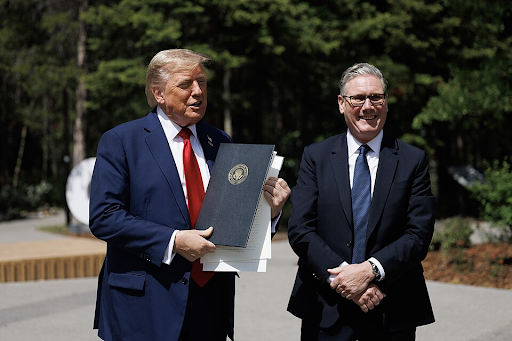
Prime Minister Keir Starmer demonstrated sophisticated crisis management during weekend diplomacy, combining firm principled opposition to Trump’s tariffs with preserved diplomatic pathways enabling face-saving de-escalation. His approach balanced resolve with pragmatic exit strategies.
The diplomatic challenge requires opposing coercive tactics while enabling policy reversal without humiliation. Starmer’s Sunday consultations with Danish Prime Minister Mette Frederiksen, European Commission President Ursula von der Leyen, and NATO Secretary General Mark Rutte coordinated firm opposition while deliberately preserving de-escalation opportunities.
Throughout his conversations, the British leader articulated clear opposition while avoiding ultimatums that eliminate diplomatic flexibility. His position that tariffs constitute wrong policy rather than unforgivable offenses leaves pathways for policy adjustment while maintaining principled opposition.
European nations issued statements combining firm opposition with tones leaving diplomatic space for American policy evolution. The tariff timeline beginning February 1st provides opportunities for face-saving adjustments before implementation if diplomatic off-ramps prove effective.
Starmer’s Monday press conference will balance clear opposition with preserved engagement channels and implicit off-ramps. Officials believe combining firmness with diplomatic flexibility offers optimal crisis management preventing escalation while maintaining principles and enabling eventual resolution.