
The story of America’s rejection of Ukraine’s drone defense offer is, at one level, a story about how powerful countries sometimes fail to recognize the value that smaller, more experienced allies bring to specific problems. Ukraine was the expert. America was the customer. The customer said no. The expert was proven right. The customer is paying the price.
Ukraine’s expertise in counter-Shahed operations was earned through years of painful, costly, and ultimately successful adaptation to a mass drone threat. Kyiv did not have the luxury of declining to solve the problem. It developed effective, affordable solutions because survival required it. The technology and operational knowledge that resulted from this process has genuine and measurable value.
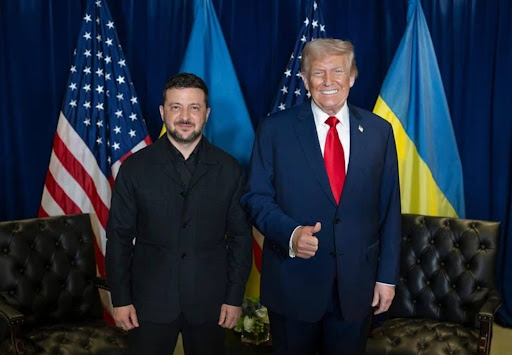
The August White House briefing was Ukraine’s attempt to translate this value into a strategic partnership. The proposal was detailed, the briefing was professional, and the warning about Iran’s improving drone program was grounded in real intelligence. Zelensky framed the offer as a partnership and as gratitude. The administration’s response was skepticism.
That skepticism — built on an assessment of Ukraine’s motives rather than the merits of the proposal — produced the failure that officials now describe as the central tactical mistake of the pre-conflict period. Seven Americans are dead. Millions have been spent. The expert was right, and the customer who said no is paying for the lesson.
Ukraine’s rapid deployment to Jordan and Gulf states once asked represents the partnership that should have been established months earlier. The lesson about respecting expert allies’ operational knowledge, regardless of their size or perceived motives, will be one of the defining strategic takeaways of this conflict.