
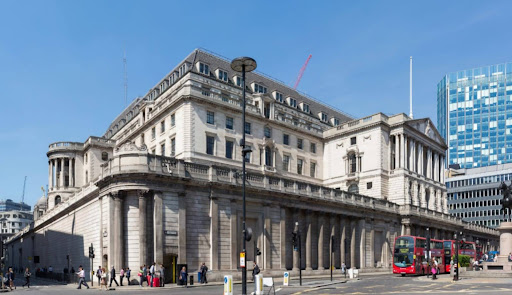
The spectre of sustained price pressure has been raised by the Iran war, with the Bank of England voting unanimously to hold rates at 3.75% on Thursday and warning that the conflict’s energy market impact could result in inflation remaining well above the 2% target not just in the near term but throughout 2026. The monetary policy committee described the war as a significant shock that had introduced a persistent rather than temporary inflation risk, driven by ongoing disruption to global energy supply. Officials said inflation could rise above 3% and that rate hikes might be necessary to prevent the pressure from becoming entrenched.
The distinction between temporary and sustained price pressure is critical for monetary policy. A temporary shock — one that passes quickly and does not feed into wage and price expectations — requires little or no monetary response and can be looked through by a patient central bank. A sustained shock that lasts long enough to affect inflation expectations requires a stronger response, potentially including rate hikes, to prevent the temporary increase from becoming permanent.
Governor Andrew Bailey’s communication indicated that the Bank was treating the war’s energy price impact as a potentially sustained shock rather than a temporary blip. His revised inflation forecast, showing elevated price growth throughout 2026, reflected the committee’s assessment that the disruption could persist. His warning about household energy bills following petrol prices was consistent with a view that the shock would have an extended transmission into the real economy.
Financial markets shared the Bank’s assessment of sustained rather than temporary pressure. UK gilt yields rose, the FTSE 100 fell, and the pound strengthened against the dollar as traders priced in rate hikes that would be the appropriate response to sustained rather than temporary inflation. Analysts noted that the sustained pressure framing justified a more significant monetary policy response than a temporary shock would require.
For UK households planning their finances, the prospect of sustained price pressure represents a more challenging scenario than a brief spike. A temporary energy price rise can be absorbed through savings or short-term adjustments; a sustained increase requires fundamental changes to spending patterns and financial planning. The Bank’s honest assessment of the sustained nature of the risk is therefore important information for household financial decision-making, even if it is not the news that households had been hoping to hear.