
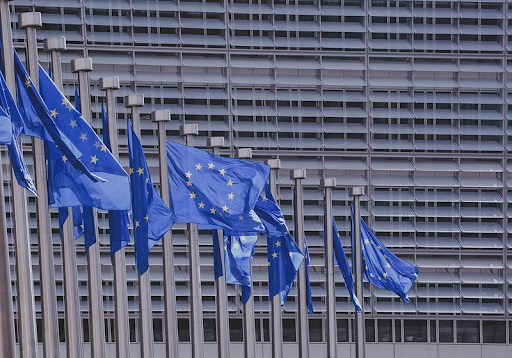
The European Union has introduced its most stringent plan to date aimed at pressuring Israel to conclude its 23-month-long war in Gaza. The proposal includes a combination of targeted sanctions against high-profile individuals and new trade tariffs on Israeli goods, signaling a significant escalation in diplomatic pressure from Brussels.
The comprehensive plan, articulated by EU foreign policy chief Kaja Kallas, targets key figures in the Israeli government, including National Security Minister Itamar Ben-Gvir and Finance Minister Bezalel Smotrich, as well as Israeli settlers. Simultaneously, the proposal calls for sanctions against 10 Hamas leaders. These measures would involve freezing any European assets and imposing travel bans within the 27-nation bloc.
“We are proposing these measures not to punish Israel or Israel people, but to really try to pressure (the) Israeli government to change course and to end the human suffering in Gaza,” Kallas stated, emphasizing the humanitarian objective behind the move. The EU’s call for an end to the war is coupled with a demand for the release of all hostages held in the conflict.
The economic component of the proposal could have a substantial impact on Israel’s economy, which is already strained by the prolonged war. The EU, being Israel’s largest trading partner, plans to suspend €32 million in bilateral funds and impose tariffs that could amount to €230 million on a significant portion of Israeli imports, which currently enjoy zero-tariff status.
Despite the firm proposal from the EU leadership, its implementation remains uncertain. The 27 member states have been divided over their stance on the conflict, and achieving the required majority to endorse these sanctions and trade measures will be a significant political challenge. Israel has already issued a sharp rebuke, with its foreign minister vowing not to bow to external pressure.